
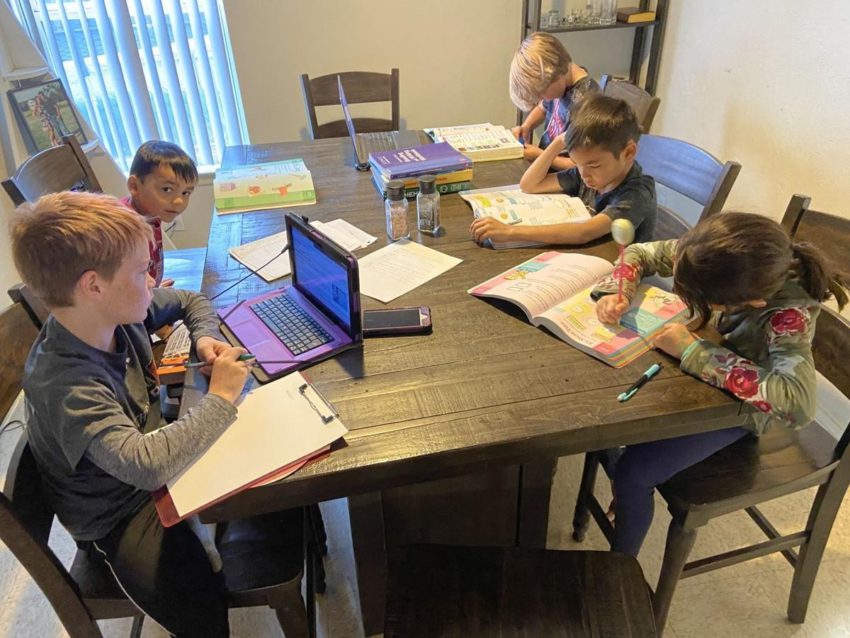
Homeschooling gives families flexibility, but flexibility works best when it is supported by a dependable routine. Without a clear schedule, lessons can become delayed, household responsibilities may interrupt learning, and parents can feel pressure to recreate a traditional classroom at home. A practical plan should support education while remaining realistic for family life.
American parent teachers often manage instruction, meals, work, appointments, younger children, household tasks, and extracurricular activities during the same week. Families can use practical homeschool planning guides while developing routines that fit their goals and responsibilities.
A successful homeschool day does not need to follow a public school schedule minute by minute. Home education allows families to adjust lesson length, subject order, learning location, and activity timing. Consistency remains important, but the plan should include enough flexibility for changing needs.
Begin With Weekly Learning Goals
A weekly plan may be easier to manage than scheduling every lesson months in advance.
Parents can identify the main learning goals for each subject.
Subjects may include:
Reading
Writing
Mathematics
Science
Social studies
Art
Music
Technology
Physical education
Life skills
Older students may study foreign languages, advanced mathematics, laboratory science, career subjects, or college preparation.
Each goal should describe what the student will complete or understand.
“Finish two mathematics lessons and review fractions” is more useful than “work on math.”
Parents can divide large assignments into smaller tasks.
A research project may include choosing a topic, locating information, creating an outline, writing, revising, and presenting.
Weekly planning allows families to adjust when lessons take longer than expected.
Parents should avoid filling every hour.
Unplanned time may be needed for difficult work, appointments, or unexpected family responsibilities.
Homeschool-focused family education and learning blogs may provide additional ideas for organizing subjects and home routines.
Choose a Consistent Starting Time
A regular beginning helps children prepare mentally for learning.
The start time should fit the household.
Some families begin early because children focus well in the morning.
Others begin later because parents work flexible hours or students participate in morning activities.
The exact time matters less than consistency.
Children should know what happens before lessons begin.
A morning routine may include:
Wake up
Get dressed
Eat breakfast
Complete basic chores
Prepare supplies
Review the schedule
Starting the day in sleepwear may work for some families, but getting dressed can help create separation between rest and school.
Families should avoid beginning with long arguments or repeated reminders.
A visible schedule can help children follow routines independently.
Young learners may use pictures.
Older students may use written lists or digital calendars.
Place Difficult Subjects During Strong Focus Hours
Children do not have equal energy throughout the day.
Parents should observe when each student concentrates best.
Many students benefit from completing mathematics, reading, writing, or other demanding work earlier.
Creative subjects, physical activities, independent reading, and projects may fit later in the day.
However, every child is different.
A student who struggles to focus in the morning may perform better after movement or outdoor time.
Parents should avoid placing every difficult subject back to back.
Changing activities can protect attention.
A schedule may include mathematics, a short break, reading, movement, and then writing.
Families with several children may rotate instruction.
One student can complete independent work while the parent teaches another.
Clear independent assignments reduce interruptions.
Use Learning Blocks Instead of Strict Periods
Traditional schools often divide the day into fixed class periods.
Homeschool families may benefit from learning blocks.
A block provides enough time for a subject without requiring an exact ending every day.
For example:
Morning learning block
Reading and mathematics
Midday project block
Science or social studies
Afternoon flexible block
Art, music, physical activity, or independent work
Some lessons may finish early.
Others may require extra time.
Learning blocks allow adjustments without making the entire schedule feel unsuccessful.
Parents should still set reasonable limits.
A difficult lesson should not consume the entire day.
When frustration increases, families may pause and return later.
Include Regular Breaks and Movement
Children need opportunities to move.
Short breaks can improve attention.
Activities may include:
Stretching
Walking
Outdoor play
Simple exercise
Household movement
Dancing
Active games
Young children may need frequent breaks.
Older students may work for longer periods.
Parents should explain when breaks begin and end.
Unlimited entertainment can make returning to lessons difficult.
A timer may help.
Movement can also become part of learning.
Students may practice counting while walking, review vocabulary during movement, or complete nature observations outdoors.
Physical education does not require a formal gym.
Family walks, sports, cycling, exercise programs, and outdoor activities can support health.
Create a Functional Learning Space
Homeschooling does not require a separate classroom.
A dining table, desk, shared room, or quiet corner can work.
Students need enough space for materials.
Frequently used supplies should remain accessible.
These may include:
Pencils
Paper
Notebooks
Books
Art materials
Chargers
Headphones
Reference materials
Storage should remain simple.
Labeled containers can help.
Every subject does not need a separate shelf.
Families should avoid allowing materials to spread throughout the home without a system.
At the end of the learning day, students can return supplies.
A short cleanup routine prepares the space for tomorrow.
Families may use helpful home organization services while managing broader household and learning needs.
Balance Direct Teaching and Independent Work
Parents do not need to lecture throughout the day.
Children benefit from a combination of instruction and independent practice.
Direct teaching may be useful for:
New mathematics concepts
Reading instruction
Writing feedback
Science explanations
Complex assignments
Independent work may include:
Reading
Practice problems
Writing drafts
Research
Creative projects
Review activities
Older students should gradually manage more responsibility.
They can track assignments and prepare materials.
Parents should remain available without checking every minute.
Independence develops over time.
Expectations should match age and experience.
Young learners need more guidance.
Teenagers may manage larger blocks of work.
Plan Activities Outside the Home
Homeschool education can include community learning.
Families may use:
Libraries
Museums
Nature areas
Community programs
Sports groups
Music lessons
Art classes
Volunteer activities
Educational clubs
Local events
field trips should connect with learning when possible.
However, every outing does not need a detailed assignment.
Observation and discussion can be valuable.
Families should avoid scheduling so many activities that academic routines disappear.
Travel time and preparation should be included in the weekly plan.
Some families choose one day for projects, field trips, or community activities.
This can create variety.
Keep Records Organized
Record requirements differ, so families should maintain the information needed for their educational situation.
Useful records may include:
Attendance
Lesson plans
Completed assignments
Reading lists
Projects
Assessments
Portfolios
Activity records
Course descriptions
Parents should create a system they can maintain.
Digital folders may store documents and photographs.
Physical binders may hold written work.
Not every worksheet must be saved.
Families can select examples showing progress.
Older students may need more detailed course information.
Records should be updated regularly instead of collected at the end of the year.
Review the Schedule Every Month
A homeschool schedule should change when it no longer supports learning.
Families can review:
Which subjects are progressing well?
Which lessons take too long?
When does concentration decrease?
Are activities overwhelming the week?
Do students have enough independent work?
Is the family receiving enough rest?
Children can participate in these conversations.
Older students may suggest schedule changes.
Parents should distinguish between temporary resistance and a genuine planning problem.
A routine may need adjustment after holidays, seasonal activities, or family changes.
Homeschool-focused education and family media resources may provide additional ideas for improving home learning routines.
Protect Family Relationships
Parents are both teachers and family members.
School disagreements should not control the entire day.
A clear ending time may help separate lessons from family activities.
Parents should recognize effort and progress.
Children should have time for hobbies, rest, friends, and unstructured activity.
Homeschooling should not require every moment to become educational.
Family life remains important.
A strong schedule supports learning without making the household feel like a classroom all day.
The most effective homeschool routine is not the most detailed one. It is the schedule that helps students make steady progress while allowing the family to remain flexible.
By setting weekly goals, choosing consistent learning times, including breaks, and reviewing progress regularly, parent teachers can create a balanced home education plan that supports both academic growth and family life.