
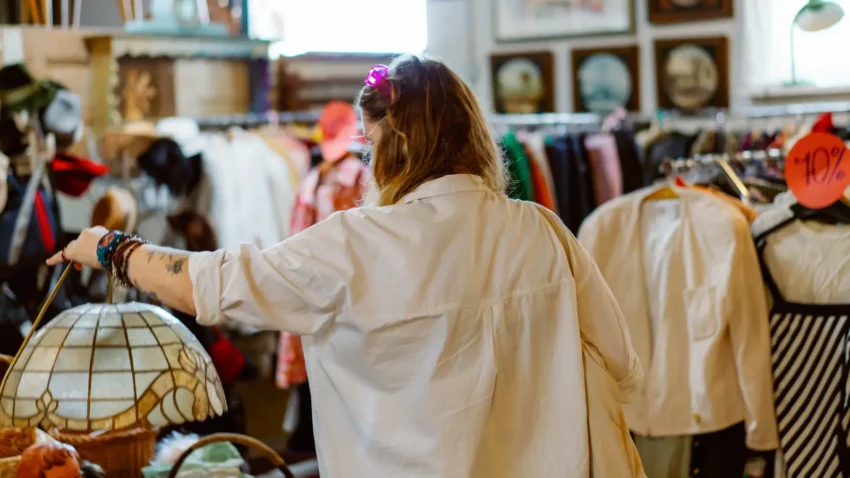
Thrift shopping has become an important part of American fashion for people seeking affordable clothing, unique pieces, vintage items, and alternatives to buying everything new. Thrift stores can offer excellent value, but successful shopping usually requires patience and careful inspection.
The low price of an item does not automatically make it useful. A crowded cart of inexpensive clothing can still create waste when the pieces do not fit or match the existing wardrobe. A better approach combines curiosity with clear limits.
Readers exploring affordable thrift fashion inspiration can improve their results by shopping with a practical plan while remaining open to unexpected finds.
Begin With A Short Shopping List
Thrift stores contain clothing from many seasons, brands, styles, and sizes.
Without a list, shoppers may become distracted by low prices.
Write down a few useful categories before entering.
The list might include a denim jacket, work trousers, cotton shirts, winter sweaters, or a casual bag.
Keep the list flexible because exact items may not be available.
The goal is direction, not strict control.
A shopper searching for one neutral blazer may discover a useful cardigan instead.
However, unrelated purchases should still be considered carefully.
Review The Closet Before Leaving
Knowing what is already owned prevents duplicates.
Look at current colors, fabrics, shoes, and favorite outfit combinations.
Take phone photos of useful wardrobe pieces.
These images can help compare potential purchases.
A thrifted item should ideally work with clothing already available.
Buying a bright patterned jacket may feel exciting, but its value decreases when no existing outfit supports it.
Practical coverage from budget fashion and shopping writers often encourages shoppers to focus on compatibility instead of price alone.
Check Every Section
Thrift store organization varies.
Useful clothing may appear in unexpected categories because of sizing differences, customer movement, or employee sorting.
Review nearby size sections when time allows.
Some shoppers also explore men’s, women’s, children’s, or general outerwear areas depending on the item needed.
A relaxed shirt or jacket may work regardless of its original department.
Focus on fit and personal style rather than relying entirely on labels.
However, avoid collecting items simply because they seem unusual.
Every purchase should still support real use.
Inspect Fabric Condition
Examine clothing under good lighting.
Look for stains, holes, fading, stretched areas, damaged seams, missing buttons, and heavy wear.
Check underarms, collars, cuffs, pockets, knees, and hems.
Some problems are easy to repair, while others may require more time than the item is worth.
Minor wrinkles or loose threads may not be serious.
Strong odors, large stains, damaged fabric, or difficult repairs should be considered carefully.
Turn garments inside out when possible to inspect construction and lining.
Useful secondhand clothing and style guidance can help shoppers judge condition before bringing an item home.
Read Fabric Labels
Fabric information can provide clues about comfort, care, and durability.
Cotton, wool, linen, denim, leather, silk, synthetic materials, and blends all behave differently.
A high-quality fabric may still be unsuitable when care requirements do not match the owner’s routine.
Check washing instructions.
An inexpensive dry-clean-only item may create ongoing costs.
Some older garments may not include complete labels.
In those cases, inspect texture and construction carefully.
The best thrift purchase combines suitable fabric with realistic maintenance.
Try Everything On
Sizing varies across decades and brands.
A label should not determine the decision.
Try the item and check movement.
Sit, walk, lift the arms, and examine the fit from different angles.
A slightly oversized shirt may create an intentional relaxed look.
A jacket that pulls across the shoulders is less likely to become comfortable.
Consider whether simple alterations could improve the fit.
Shortening trousers or replacing buttons may be practical.
Major changes can increase the total cost significantly.
Set A Total Spending Limit
Low individual prices can hide a large final total.
Choose a budget before shopping.
Track the cost of every item added to the cart.
A $7 shirt may seem inexpensive, but ten unnecessary shirts still create clutter and expense.
Use the same standards for thrift clothing as new clothing.
Ask whether the item fits, works with existing pieces, and will receive regular use.
The goal is better value, not the largest number of purchases.
Look For Useful Basics
Thrift stores can be strong sources for denim, jackets, sweaters, button-down shirts, simple dresses, belts, bags, and casual outerwear.
Classic basics often remain useful across several seasons.
Neutral colors may offer easier combinations, although unusual colors can add personality.
Inspect basics carefully because frequent wear may create hidden damage.
A plain item with strong fabric and good fit may provide more long-term value than a dramatic piece bought only because it looked unique.
Explore Vintage Pieces Carefully
Vintage clothing can offer distinctive construction, fabrics, patterns, and details.
However, older sizing may differ significantly from current standards.
Check fabric condition because age can weaken elastic, lining, seams, or closures.
Strong vintage odors may require special cleaning.
Some pieces may be better suited to occasional wear than daily use.
Daily thrift style and fashion culture stories can provide ideas for combining older clothing with modern basics.
A vintage jacket can work with simple jeans and sneakers without requiring a complete retro outfit.
Avoid Buying Only For Resale Value
Some shoppers search for recognizable brands or rare pieces.
Potential resale value can be interesting, but it should not replace careful judgment.
Trends change, and online selling requires photography, measurements, communication, packaging, and shipping.
Buy for personal use unless resale is already part of a clear plan.
A famous label does not guarantee good condition or useful fit.
Quality and wearability often matter more than brand recognition.
Clean Purchases Before Wearing
Wash or clean thrifted clothing according to care instructions.
Keep new purchases separate from regular clothing until they have been reviewed and cleaned.
Inspect pockets before washing.
Some delicate items may require professional cleaning.
Shoes and bags should also be cleaned with methods suitable for the material.
Avoid using harsh treatments without understanding how they affect fabric or leather.
A careful cleaning routine prepares the item for comfortable use.
Create Outfits Immediately
After cleaning, style each thrifted piece with current clothing.
Take photographs of useful combinations.
This confirms whether the purchase fills a real wardrobe need.
If an item cannot be matched with anything, consider whether one simple adjustment solves the problem.
Avoid buying several additional pieces only to support one thrift purchase.
A successful secondhand item should expand outfit options rather than create another shopping requirement.
Visit With Patience
Inventory changes frequently.
A disappointing visit does not mean thrift shopping is unsuccessful.
Regular short visits may produce better results than one long shopping day.
Avoid purchasing weak options because the desired item was unavailable.
Patience protects the budget.
The right piece may appear during another visit.
Thrift shopping works best when affordable prices are combined with strong standards.
Careful inspection, realistic budgeting, good fit, and outfit planning can create a wardrobe with personality and practical value.