
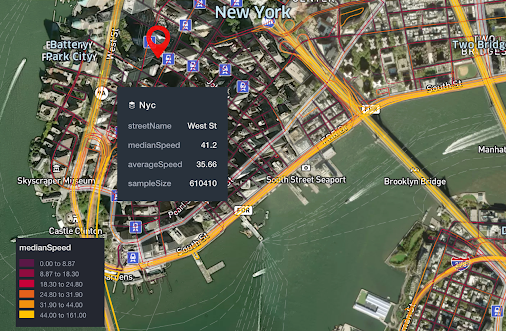
A road that once felt quiet can become crowded within a few years when new housing, businesses, schools, and employment centers appear nearby. Growing communities often experience changing commute times, new turning patterns, heavier intersections, and greater demand for public transportation. These traffic pattern changes affect drivers, pedestrians, cyclists, businesses, and neighborhood residents across the United States.
Population growth is only one cause. Road construction, remote work, delivery services, new shopping areas, school schedules, weather, and transportation projects can all change when and where people travel. Readers exploring practical ideas about changing American communities can better understand local congestion by looking at the complete travel network instead of focusing on one busy road.
Traffic Pattern Changes Created by New Development
New construction can alter travel long before every building is occupied. Workers, equipment, deliveries, residents, and customers may all use the same local streets.
Housing Growth Adds New Daily Trips
A large residential project can increase morning departures, school travel, shopping trips, service vehicles, and evening returns.
The effect may spread beyond the nearest intersection. Drivers often search for faster routes, creating additional traffic on smaller neighborhood streets.
Transportation planning works best when road capacity, transit, walking routes, schools, and nearby services are considered during early development decisions.
New Businesses Change Travel Times
Office districts may create strong weekday peaks, while restaurants and entertainment areas can increase evening and weekend traffic.
Warehouses and distribution centers may add truck activity at different hours. Retail areas can create short, frequent trips throughout the day.
People following daily city growth and transportation updates may notice that traffic no longer follows one simple morning-and-evening pattern in many communities.
Work and Shopping Habits Affect Road Use
Changing routines can move traffic into different times and locations even when the total population remains similar.
Flexible Work Can Spread Commuting Hours
Remote and hybrid work may reduce some traditional office trips, but people still travel for meetings, errands, childcare, exercise, and shared workspaces.
Instead of one strong peak, some roads may experience steady activity across a longer part of the day.
Local businesses may also see customer visits shift from weekends to weekdays when residents spend more time near home.
Delivery Activity Adds Short Stops
Food, grocery, package, and service deliveries create frequent stops near homes and businesses.
Poorly designed loading areas may lead drivers to block travel lanes, bike routes, sidewalks, or parking entrances.
Cities may need updated curb rules and designated loading spaces to manage these short but repeated activities.
Thoughtful discussions about urban movement and changing daily routines often point out that curb space has become an important part of modern traffic planning.
Transportation Projects Can Redirect Movement
New roads, bridge repairs, transit construction, bike lanes, and redesigned intersections may temporarily or permanently change travel behavior.
Construction Creates Temporary Route Shifts
Road closures and lane reductions can push traffic into nearby communities.
Navigation systems may direct large numbers of drivers through streets not designed for heavy use. Residents can experience increased noise, longer crossing times, and parking pressure.
Clear signs, updated information, and careful detour design can reduce confusion.
New Infrastructure Changes Long-Term Choices
A new train station, bus route, road connection, or protected bike network may allow some people to change how they travel.
The effect may develop slowly as residents learn the new system and adjust work or household routines.
Transportation projects should be evaluated over enough time to understand seasonal and long-term changes.
Safer Street Design Is Becoming More Important
Growing traffic affects more than vehicle speed. Pedestrians, schoolchildren, cyclists, older adults, and people with disabilities may face greater difficulty crossing or reaching destinations.
Intersections Need Clear Visibility
More vehicles can increase turning conflicts and reduce available crossing opportunities.
Parking, landscaping, signs, and large vehicles should not block important views. Improved lighting, markings, signals, and crossing times may support safer movement.
A busy intersection should be studied as a shared space rather than only a location for moving more vehicles.
Neighborhood Streets Need Protection
Drivers avoiding congestion may enter residential areas and travel faster than local conditions support.
Traffic-calming designs, improved crossings, clear speed limits, and targeted enforcement may help when supported by reliable local data.
Residents should document specific concerns rather than relying only on general statements. Dates, times, vehicle movements, and affected locations provide more useful information.
Readers can find useful ideas about local planning and community improvements while learning how transportation decisions connect with housing, schools, businesses, and public space.
Use Better Information Before Making Changes
Traffic problems are easy to notice but difficult to solve without accurate information.
Collect Data Across Different Conditions
One day of observation may not represent normal traffic. Weather, school holidays, special events, construction, and seasonal travel can affect results.
Studies may examine vehicle counts, turning movements, travel speeds, pedestrian activity, crash history, parking use, and transit demand.
The goal should be understanding the complete pattern rather than proving one expected conclusion.
Test Changes When Possible
Temporary markings, adjusted signals, pilot programs, or limited trials may reveal how a design performs before permanent construction.
Community feedback should include people using different travel methods.
A project that helps one group may create new problems for another, making careful review important.
Conclusion
Growing cities experience changing traffic because people, jobs, services, construction, and travel habits continue evolving. Congestion is rarely caused by one factor, and one road expansion may not solve every problem.
The most important traffic pattern changes should be studied through accurate data and local experience. Communities need transportation plans that consider vehicles, transit, walking, cycling, deliveries, schools, and emergency access together. Better movement comes from understanding why trips occur, not only from creating more space for them.
Frequently Asked Questions
Why does traffic increase after new housing is built?
New residents create trips for work, school, shopping, services, recreation, visitors, and deliveries, affecting nearby and surrounding roads.
Can remote work reduce city traffic?
It may reduce some office commuting, but flexible schedules can also spread trips throughout the day and change local travel patterns.
Why do navigation apps send traffic through neighborhoods?
Navigation systems often search for faster routes during congestion, which may direct drivers onto smaller local streets.
How do delivery services affect traffic?
Frequent pickups and drop-offs can increase short stops, curb demand, parking conflicts, and local vehicle activity.
Can adding road lanes eliminate congestion?
Additional capacity may help certain locations, but land use, travel demand, intersections, and changing driver behavior also affect results.
Why are traffic studies conducted at different times?
Travel patterns change by hour, weekday, season, school schedule, weather, construction, and special events.
How can residents report traffic concerns effectively?
Provide specific locations, dates, times, observed movements, safety concerns, and supporting information through appropriate local channels.
Do bike lanes and transit affect traffic patterns?
They can change how some people travel, but results depend on network quality, destination access, safety, reliability, and local demand.