
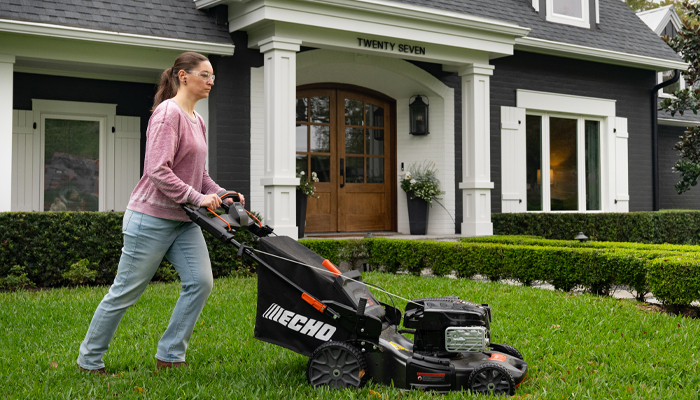
A dependable lawn mower can make regular yard care faster and more manageable. For many American homeowners, mowing happens during weekends between work, family responsibilities, errands, and other household projects. Equipment problems can quickly turn a routine task into a frustrating repair job.
Regular maintenance helps a mower start more easily, cut grass more evenly, and operate with fewer unexpected problems. The exact care routine depends on whether the machine is gas-powered, electric, battery-operated, riding, or self-propelled. Homeowners should always follow the instructions provided for their specific model.
A few simple checks before and after mowing can protect both the equipment and the lawn.
Read the Mower Manual First
Every mower has different operating and maintenance requirements.
The owner’s manual explains approved fuel, oil type, battery care, blade procedures, safety features, storage, and service schedules.
Homeowners should not assume that instructions for one machine apply to another.
Keeping the manual in a dry storage area makes future reference easier.
Digital copies may also be useful when the original document is lost.
Understanding the equipment before maintenance reduces the chance of using the wrong product or method.
Practical outdoor equipment guidance can also help homeowners connect mower care with a broader seasonal yard routine.
Inspect the Mower Before Every Use
A quick visual inspection can reveal problems before mowing begins.
Look for loose parts, damaged guards, leaking fluids, cracked wheels, exposed wiring, or unusual wear.
Check that safety controls move correctly.
The cutting area should be clear of heavy debris.
Homeowners should also inspect the yard before mowing.
Rocks, toys, branches, wire, tools, and other objects can damage the mower or become dangerous when struck by the blade.
A few minutes of preparation may prevent larger problems.
Keep the Cutting Deck Clean
Grass can collect beneath the mower deck.
Heavy buildup may reduce cutting quality and hold moisture against metal surfaces.
The machine should be turned off and made safe according to manufacturer instructions before cleaning.
Gas equipment may require special precautions around fuel and ignition systems.
Battery-powered mowers may require battery removal.
Homeowners should avoid placing handsowners near the blade unless the equipment is fully secured.
A suitable scraper or brush may help remove dried grass.
Water use should follow product guidance because electrical components and bearings may require protection.
Sharpen or Replace Dull Blades
Sharp blades cut grass cleanly.
Dull blades can tear grass and leave rough, brown tips.
The lawn may look uneven even when mowing height is correct.
Blade sharpening frequency depends on property size, mowing frequency, soil conditions, and contact with debris.
Homeowners should inspect blades for bends, cracks, chips, and heavy wear.
A damaged blade may need replacement rather than sharpening.
Removing and reinstalling blades requires correct tools and procedures.
Those who are uncertain should use a qualified service provider.
Creative lawn improvement inspiration can encourage better yard presentation, but clean results begin with properly maintained equipment.
Check Engine Oil on Gas Mowers
Gas-powered mower engines may require regular oil checks and changes.
Homeowners should follow the model instructions for oil type, level, and replacement schedule.
Operating with too little oil may damage the engine.
Overfilling can also create problems.
Oil should be checked on a stable surface when the machine is positioned as directed.
Used oil should be handled and disposed of according to local requirements.
Homeowners should never pour it into soil, drains, or household trash unless local rules specifically allow a method.
Use Fresh Fuel Correctly
Old fuel can contribute to starting and performance problems in some gas mowers.
Homeowners should use the approved fuel and follow storage guidance.
Fuel containers should be designed for the purpose and stored safely.
Gasoline should remain away from heat, flames, sparks, children, and pets.
The mower should be allowed to cool before refueling.
Spilled fuel should be handled carefully before operation.
Seasonal storage may require fuel treatment, draining, or another approved method depending on the equipment.
The owner’s manual should guide the decision.
Inspect the Air Filter
Gas mower engines need proper airflow.
A dirty air filter can affect performance.
Some filters are cleaned, while others are replaced.
Homeowners should identify the filter type before maintenance.
Dusty properties and frequent mowing may require more regular inspection.
The filter area should remain free of loose debris.
Operating without the correct filter can allow dirt to enter the engine.
Replacement parts should match the mower model.
Care for Spark Plugs When Required
Spark plugs are part of the starting and ignition system in gas mowers.
A worn or dirty plug may contribute to difficult starting or uneven operation.
Inspection and replacement should follow the manufacturer schedule.
The correct replacement type is important.
Homeowners should disconnect equipment safely before working near the blade or engine.
If the mower continues running poorly after basic maintenance, professional inspection may be needed.
Replacing parts without diagnosing the problem can increase cost.
Maintain Battery-Powered Mowers
Battery mowers require different care than gas models.
Batteries should be charged with approved equipment.
Extreme heat and cold may affect storage life and performance.
Homeowners should follow guidance about charging location, temperature, and long-term storage.
Damaged batteries should not be used.
Look for swelling, cracks, unusual heat, or other signs of damage.
Electrical contacts should remain clean and dry.
A battery should not be modified or opened.
Keeping mower maintenance records can help homeowners track battery age, blade service, oil changes, repairs, and seasonal storage.
Examine Wheels and Height Adjusters
Wheels affect mower movement and cutting consistency.
Loose or damaged wheels may create uneven results.
Grass and string can collect around axles.
Height controls should move correctly and remain set evenly.
Different mowing heights may be needed during seasonal changes.
Homeowners should avoid forcing stuck adjusters.
Cleaning and inspection may reveal the cause.
Replacement parts should fit the exact model.
Check Cables and Safety Controls
Self-propelled and gas-powered mowers may use control cables.
Cables can loosen or wear over time.
Safety handles and shutoff controls should function properly.
Homeowners should never disable safety features.
A mower that continues operating after a safety control is released may need professional service.
Electrical cords on corded models should be checked for cuts or exposed wires.
Damaged equipment should not be used until repaired correctly.
Avoid Mowing Wet Grass
Wet grass can collect under the deck and reduce cutting quality.
It may create slippery conditions for the operator.
Wet clippings can form heavy piles on the lawn.
Waiting until the surface dries may improve mowing performance.
Weather and lawn conditions vary, so homeowners should use practical judgment.
The mower should never be operated during lightning, severe storms, or unsafe conditions.
Store the Mower in a Protected Area
A garage, shed, or covered storage area can protect equipment from rain and prolonged sunlight.
The mower should be clean and dry before storage.
Sharp or hot components should remain inaccessible to children and pets.
Fuel-powered equipment requires safe ventilation and approved storage practices.
Batteries may need to be stored separately according to product guidance.
The mower should not block exits, electrical panels, or frequently used walkways.
Prepare for Seasonal Storage
Homeowners in colder regions may store mowers for several months.
Seasonal preparation may include cleaning, blade inspection, oil service, fuel management, battery care, and general inspection.
The correct process depends on the mower type.
Spring preparation should include checking stored equipment before the first cut.
Tires, controls, fluids, batteries, and blades may need attention.
Balanced weekend yard care advice can help homeowners divide maintenance into short, manageable tasks instead of waiting for equipment failure.
Lawn mower maintenance does not need to become a complicated project. Regular inspection, clean cutting areas, sharp blades, correct fuel or battery care, and protected storage can support dependable performance. American weekend homeowners who maintain equipment throughout the season may spend less time dealing with poor cuts and unexpected breakdowns. A well-maintained mower makes healthy lawn care easier from the first spring cut through the final mowing of the year.