
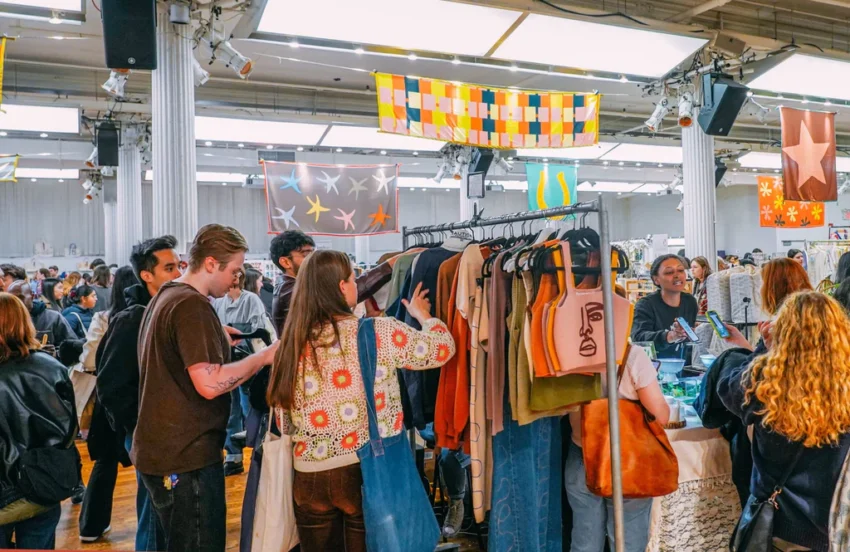
Craft markets give shoppers an opportunity to discover handmade products, meet local creators, and support small businesses. Across the United States, weekend markets feature pottery, artwork, jewelry, candles, textiles, food products, woodwork, home decorations, clothing, and many other locally made items.
A successful visit begins with understanding the type of market. Some events focus entirely on handmade products, while others include vintage goods, food vendors, local businesses, and imported merchandise.
Shoppers searching for fresh weekend shopping ideas can review event descriptions before traveling. Knowing what the market offers helps visitors set realistic expectations.
Check the date, opening hours, location, admission fee, parking details, and weather plan before leaving home.
Outdoor markets may change schedules because of rain, strong wind, heat, or other unsafe conditions. Review event updates on the morning of the visit.
Arriving early can provide the widest selection. Popular handmade items may sell out before the end of the day.
Later visits may feel less crowded, but some vendors could have limited inventory.
Set a spending budget before entering. Handmade products can be appealing because every booth offers something different.
A clear limit allows shoppers to enjoy browsing without making purchases they later regret.
Carry a small amount for planned spending while keeping payment methods secure. Many vendors accept cards or digital payments, but availability may vary.
Do not assume every market has reliable mobile service. Large crowds can affect payment connections.
Bring reusable shopping bags when permitted. Choose bags that are comfortable to carry and suitable for delicate items.
People exploring creative lifestyle and shopping inspiration may find that craft markets offer useful ideas for gifts, home decoration, seasonal changes, and personal style.
Walk through the entire market before making large purchases. An initial tour helps shoppers compare styles, prices, and available products.
However, unique items may not remain available. When a one-of-a-kind product is especially meaningful and fits the budget, waiting may carry some risk.
Ask vendors whether products are handmade by them. Most creators are happy to explain their process, materials, tools, and inspiration.
Respect their time during busy periods. Long conversations can make it difficult for vendors to assist other customers.
avoid asking artists to copy another creator’s work. Original design is part of the value of handmade products.
Custom orders may be available. Ask about size, color, materials, production time, deposits, shipping, and return policies.
Get important details in writing when placing a large custom order.
Pottery is a popular craft-market category. Shoppers may find mugs, bowls, plates, vases, planters, and decorative pieces.
Check whether food-related pottery is intended for regular use. Ask about cleaning instructions, microwave use, and dishwasher safety.
Wood products can include cutting boards, furniture, toys, signs, kitchen tools, and decorative items.
Ask about the type of wood, finish, care requirements, and intended use.
Textile vendors may offer quilts, clothing, bags, blankets, woven products, knitted items, and embroidered designs.
Review material information and washing instructions before purchasing.
Jewelry booths may feature metalwork, beads, natural materials, glass, clay, or recycled components.
Consider comfort, weight, closures, and possible material sensitivities.
Shoppers following popular handmade and local business trends may notice changing interest in personalized products and small-batch designs.
Personalization can make gifts meaningful, but confirm spelling and design details before ordering.
Custom items may have different return policies because they are created for one customer.
Candles and home fragrance products are common at craft markets. Ask about scent strength, burn instructions, ingredients, and safe use.
Do not open sealed products unless the vendor invites sampling.
Natural skincare and handmade personal products require careful consideration. Review ingredient lists and avoid products containing known allergens.
Handmade does not automatically mean suitable for every person.
Art prints, paintings, photography, and illustrations can provide affordable ways to decorate a home.
Measure the intended wall space before shopping when looking for a specific piece.
Ask whether frames are included and how artwork should be protected from sunlight or moisture.
Food vendors may offer baked goods, preserves, sauces, seasonings, sweets, coffee, and specialty products.
Review ingredient labels and storage instructions.
People with food allergies should ask clear questions rather than relying on appearance.
Sample products respectfully and avoid taking repeated samples without purchasing or genuine interest.
Many markets include live demonstrations. Pottery, weaving, carving, painting, metalwork, and other processes can help visitors understand the skill involved.
Give working artists enough space and follow safety boundaries.
Families can make craft markets educational for children. Ask children to identify different materials or choose a favorite handmade technique.
Set clear spending expectations before children see toys and colorful products.
A small personal budget can teach decision-making. Children may compare several items before choosing one.
Families interested in sharing creative local experiences may photograph public displays or write about the artists they meet, but permission should be requested before taking close pictures of products or creators.
Some vendors depend on original designs for their income. Respect signs that limit photography.
Avoid handling delicate items without permission. Ask before touching artwork, jewelry, ceramics, or fragile decorations.
Parents should supervise young children near breakable displays.
Compliments are valuable, but repeated requests for major discounts may undervalue the artist’s work.
Handmade pricing often reflects materials, equipment, design time, production, packaging, event fees, and business costs.
Some vendors offer small discounts for multiple purchases. Ask politely rather than demanding a lower price.
Gift shopping works well at craft markets because products often feel more personal than mass-produced items.
Keep notes about recipients’ interests, favorite colors, sizes, and home styles before attending.
Seasonal markets may offer decorations connected with autumn, winter holidays, spring, and summer.
Choose items that can be stored safely and reused over several years.
Local products can also become travel souvenirs. A small piece made by a regional artist may carry more meaning than a generic item.
Ask whether the product uses local materials or reflects a local story.
Large purchases may require delivery. Confirm charges, timing, insurance, and packaging before payment.
Keep receipts and vendor contact information.
Many craft businesses continue selling after the event. Save business cards or follow official shop information when interested in future purchases.
Supporting a creator does not always require buying something. Sharing accurate information, recommending a business, or returning later may also help.
Market organizers can improve the experience through clear maps, accessible walkways, seating, restrooms, food areas, and visible information booths.
Shoppers should follow event rules and avoid blocking booth entrances while talking or taking photos.
Outdoor conditions can affect comfort. Wear practical footwear, bring allowed weather protection, and carry water.
Take breaks rather than rushing through every row.
A thoughtful craft-market visit combines discovery with responsible spending. The goal is not to purchase from every booth.
By asking respectful questions, appreciating original work, and choosing products that provide lasting value, American weekend shoppers can support local creativity while finding meaningful items.