
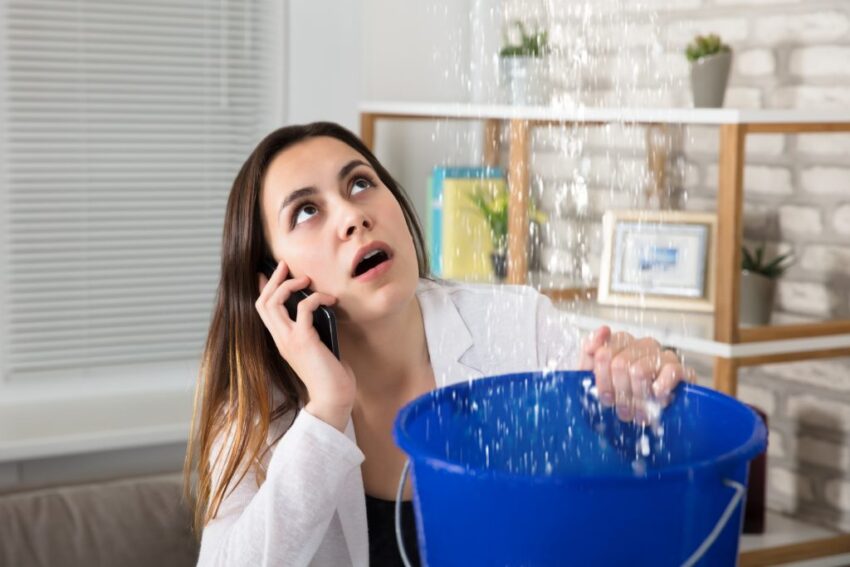
Water damage resulting from busted pipes, flooding, or leaking roofs can be a homeowner’s greatest nightmare. The key to minimizing long-term damage and costly repairs lies in swift and effective mitigation strategies. It can greatly impact the result to know what actions to take right away in the event of water damage. This comprehensive guide outlines essential mitigation strategies and actionable tips to help you navigate through the aftermath of water damage.
Assessing The Damage
The first step after discovering water damage is to assess the extent of the damage. This involves:
Safety First: Before entering any flooded area, ensure it’s safe to do so. Turn off electricity and gas if it’s safe to reach the main switch. To prevent coming into contact with contaminated water, put on protective clothing like boots and gloves.
Identifying The Source: Determine the source of water damage (e.g., burst pipe, appliance malfunction, and heavy rain). If the source is from a burst pipe or appliance, shut off the water supply to prevent further flooding.
Documenting Damage: For insurance purposes, record the damaged places and objects using pictures and videos. Documenting the damage will help during the claims process.
Mitigation Strategies
Implementing effective water damage mitigation tips is crucial to minimizing long-term damage and restoring your home quickly. Effective mitigation starts immediately after assessing the damage. These strategies can help prevent further damage and mold growth:
Remove Standing Water
Use Pumps And Vacuums: Depending on the amount of standing water, use pumps, wet/dry vacuums, or buckets to remove water quickly.
Dry Out Carpets And Furniture: Lift carpets and rugs to dry them thoroughly. Utilize dehumidifiers and fans to quicken the drying process.
Ventilation And Air Circulation
Increase Airflow: Open windows and doors to increase ventilation. Use fans and dehumidifiers strategically to circulate air and reduce humidity levels.
Remove Wet Materials
Dispose Of Unsalable Items: Remove and discard severely damaged materials that cannot be salvaged, such as wet insulation, carpet padding, and saturated drywall.
Clean And Disinfect
Prevent Mold Growth: Make sure that any affected surfaces are completely cleaned and sanitized to stop the formation of mold. Use appropriate cleaners and follow safety guidelines.
Dry Out Structural Elements
Focus on Structural Drying: Ensure all structural elements, such as walls, floors, and ceilings, are thoroughly dried to prevent warping, swelling, and mold growth.
Inspect For Hidden Damage
Check Crawl Spaces And Attics: Inspect hidden areas like crawl spaces and attics for water damage. Address any issues promptly to prevent mold and structural damage.
monitor And Document
Monitor Moisture Levels: Use moisture meters to monitor moisture levels in walls and floors. Ensure everything is thoroughly dry before reconstruction begins.
Document Everything: Keep detailed records of cleanup and restoration efforts, including receipts for expenses and communication with insurance companies.
Hiring Professional Help
In many cases, water damage requires professional expertise to ensure thorough cleanup and restoration. Consider hiring:
Water Damage Restoration Specialists: Professionals trained in water extraction, drilling techniques, and mold remediation.
Plumbers And Contractors: for fixing leaks in the roof or broken pipes, which are the causes of water damage.
Insurance Adjusters: To comprehend coverage and expedite the filing of claims, collaborate closely with your adjuster and insurance carrier.
Preventative Measures For The Future
After experiencing water damage, take proactive steps to prevent future incidents:
Regular Maintenance: Plan routine appliance, roof, and plumbing repairs and inspections.
Upgrade Appliances: Replace older appliances and plumbing fixtures to minimize the risk of leaks and bursts.
Install Leak Detection Devices: Use smart leak detectors that alert you to potential water leaks before they escalate.
Conclusion
Acting swiftly and effectively after water damage is crucial to mitigating further harm to your home and belongings. You can lessen the effects of water damage and speed up the repair process by implementing these mitigation techniques. Remember, safety and thorough documentation are key throughout the mitigation and restoration journey. By taking appropriate measures and possibly seeking expert guidance, you can return your house to its pre-damage state and avert other water-related problems.
By putting these tactics into practice, you may significantly alter the course of water damage accidents and guarantee that your house is a secure and comfortable place to live for many years to come.