
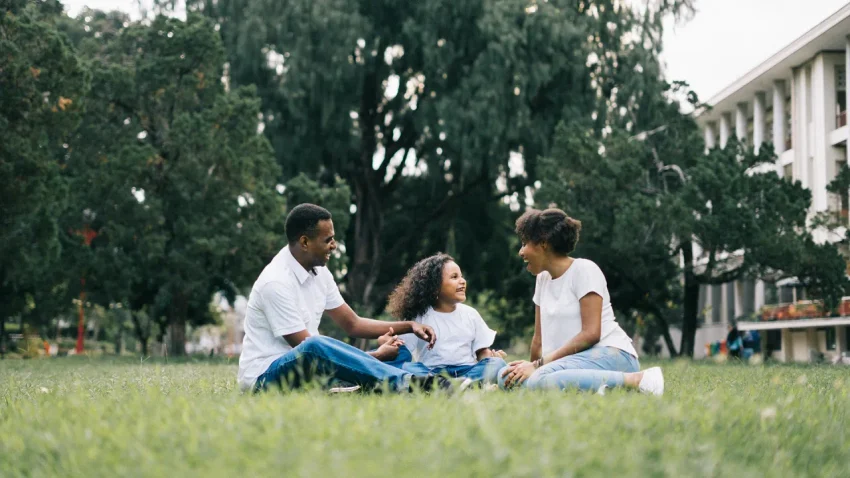
Human connections do not always begin with introductions, planned meetings, or social events. Some develop in ordinary places where people happen to share the same environment for a few minutes or encounter one another repeatedly. Parks, waiting areas, libraries, markets, public transportation, community centers, and neighborhood streets can all create opportunities for spontaneous interaction.
Research into public spaces has highlighted the importance of everyday co presence, informal encounters, and shared activities in supporting social interaction. A simple conversation while waiting for a bus or recognizing the same person during a regular morning walk may seem insignificant. Over time, however, such experiences can make communities feel more familiar and socially connected.
Shared Waiting Areas And https://stslogin.com
Waiting is usually considered an inconvenience, yet waiting areas are unusual social environments because strangers temporarily share the same purpose. People at bus stops, train platforms, medical waiting rooms, service centers, or building lobbies are often standing or sitting together without having planned to meet.
A delayed bus, confusing announcement, change in weather, or simple question about directions can suddenly create a conversation. The interaction may last only a minute, but it breaks the social distance between strangers.
Modern waiting spaces also reveal an interesting contrast between physical and digital behavior. Someone may be checking a service such as https://stslogin.com while another person is asking someone nearby for practical information. Even when smartphones occupy much of people’s attention, physical surroundings still provide opportunities for spontaneous conversation.
Neighborhood Familiarity And UK Bhulekh
Connections do not have to develop through long conversations. Recognition itself can create a subtle form of social familiarity. Seeing the same shopkeeper, neighbor, security worker, dog walker, or commuter repeatedly can gradually transform an unfamiliar place into a recognizable social environment.
People also connect through discussions about matters that affect their surroundings. Property boundaries, local development, roads, housing, and land are examples of practical subjects that can bring neighbors into conversation. Someone searching for UK bhulekh may be focused on land related information, yet a related question discussed with a neighbor can unexpectedly lead to a broader conversation about the area’s history or changing character.
Routine exposure matters because public spaces support different levels of interaction, ranging from simply being present around others to exchanging information and participating in shared activities. Familiarity can therefore emerge without people deliberately trying to build relationships.
Community Centers And Bihar Udyami yojana Project List
Community spaces become particularly valuable when people arrive with different purposes but find themselves sharing resources. Libraries, training facilities, municipal halls, educational centers, and community buildings may bring together students, entrepreneurs, retirees, parents, workers, and volunteers.
A person researching a Bihar udyami yojana project list, for example, could encounter someone exploring a similar business idea. A basic question about information, paperwork, or where to find assistance might become the beginning of a professional connection.
The strength of these spaces is their mixed purpose. People do not necessarily arrive intending to socialize. Instead, conversation emerges naturally because individuals are working through similar tasks or using the same facilities. Research has similarly identified libraries, schools, playgrounds, parks, sidewalks, cafes, and other public or semi public settings as forms of social infrastructure that can encourage interaction and belonging.
Public Information Spaces And Pm Kishan gov.com
Places where people seek information can also encourage informal cooperation. Libraries, digital assistance centers, public offices, computer facilities, and community help desks frequently attract individuals who need to understand systems that may be unfamiliar to them.
Consider someone attempting to locate information using the search phrase pm kishan gov.com. Another visitor may recognize what that person is trying to find and offer guidance based on previous experience. A small exchange of knowledge can reduce confusion while creating a brief moment of trust.
Such interactions demonstrate that human connection does not always need entertainment or recreation as its starting point. Practical needs can be equally powerful. People often begin talking because one knows something the other does not, and sharing that knowledge creates an immediate reason for communication.
Libraries, Help Desks, And The Official Website
Libraries remain particularly interesting common spaces because they accommodate both independence and interaction. Someone can read quietly, work alone, attend a community program, ask for assistance, or simply spend time around other people without being expected to socialize.
Imagine someone trying to identify an official website for a public service and asking a staff member or nearby visitor for help. That small question could remain purely practical, or it might expand into a discussion about technology, public services, local resources, or shared experiences.
Research on public space and wellbeing has emphasized the importance of passive sociability, where simply spending time around other people can contribute to familiarity and create conditions for later interaction. This helps explain why common spaces matter even when conversations are brief.
Markets And Shared Everyday Experiences
Markets, neighborhood stores, parks, sidewalks, and food areas create another type of connection because they expose people to repeated everyday experiences. Someone recommends a product, another person asks whether a seat is available, or two parents begin talking while their children play nearby.
These exchanges rarely feel important at the moment. Their significance comes from accumulation. Research has found that everyday public spaces can support social relationships, community feeling, and opportunities for people from different backgrounds to encounter one another.
The design of a space can influence whether such encounters occur. Seating, accessibility, mixed activities, comfortable walking areas, and places where people can remain rather than immediately leave can increase opportunities for interaction.
Connection Without Planning
Perhaps the most valuable characteristic of common spaces is that they remove the pressure to socialize. People can enter them for completely unrelated reasons and still encounter one another naturally. There is no requirement to make friends or maintain every conversation.
Some encounters disappear immediately. Others become familiar greetings, useful acquaintances, professional contacts, or friendships. Their beginnings are often remarkably ordinary.
Common spaces therefore provide something that highly organized social environments cannot always reproduce: accidental proximity. By allowing different people to share routines, problems, information, and experiences, everyday places create countless small opportunities for strangers to become familiar faces and, occasionally, meaningful parts of one another’s lives.