
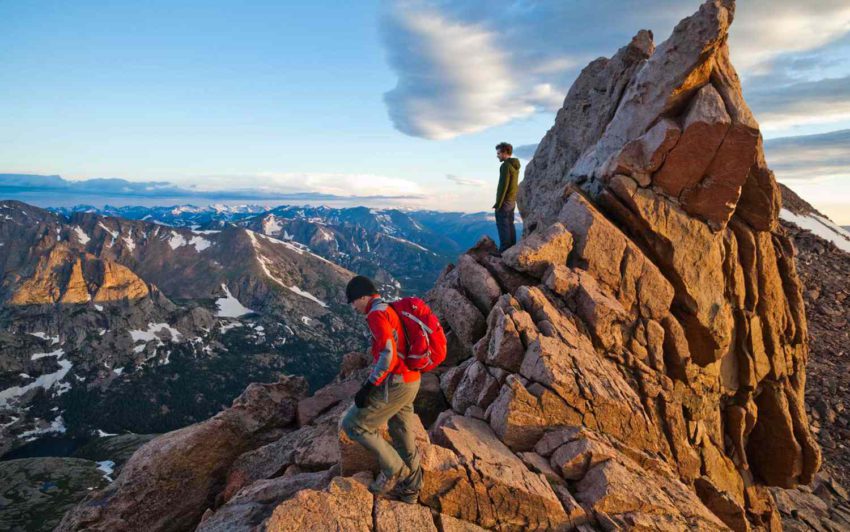
Hiking gives travelers a simple way to experience forests, mountains, waterfalls, deserts, lakes, and coastal landscapes. The United States offers trails for nearly every ability level, from short paved walks to demanding mountain routes.
Nature lovers do not need advanced equipment or years of experience to enjoy hiking. However, every trail deserves preparation. Weather, elevation, surface conditions, distance, and limited mobile service can affect the journey.
The best hiking experience begins with a route that matches the traveler’s ability. Choosing a realistic trail allows more time to enjoy scenery without creating unnecessary risk.
Start With Short Local Trails
Beginners may build confidence on trails close to home.
City parks, county recreation areas, state parks, and nature preserves often provide short routes.
A local trail allows hikers to practice using footwear, carrying water, and following maps.
Travelers can also learn their comfortable walking pace.
Short routes may still provide impressive scenery.
Forests, rivers, wetlands, and viewpoints can exist within a short drive of major cities.
Hikers should not assume a longer trail is automatically more rewarding.
A well-maintained two-mile route may provide an excellent outdoor experience.
Explore National Park Trails
National parks contain some of the country’s most recognizable landscapes.
Visitors may choose canyon walks, mountain viewpoints, forest routes, waterfall trails, or desert paths.
Popular trails may become crowded.
Starting early can provide cooler temperatures and easier parking.
Hikers should review distance and elevation before beginning.
A short trail with a steep climb may require more effort than a longer flat route.
National parks may also have seasonal restrictions.
Visitors should review current conditions before arrival.
Try Coastal Hiking Routes
Coastal trails combine ocean views, beaches, cliffs, dunes, and wildlife.
California, Oregon, Washington, Maine, Florida, and other coastal states provide many possibilities.
Weather can change quickly near the water.
Wind and fog may affect visibility.
Hikers should remain on marked routes.
Cliff edges and unstable areas require caution.
Tides may influence certain beach trails.
Travelers should review local conditions before walking.
Comfortable shoes are still important even when the route follows sand or boardwalks.
Discover Forest And Waterfall Trails
Forest hiking can provide shade during warmer months.
Many routes lead to streams, waterfalls, and quiet picnic areas.
Spring may bring stronger water flow, while autumn provides changing leaf colors.
Wet surfaces can become slippery.
Hikers should use caution near rocks and water.
Visitors should avoid leaving marked trails to reach better photographs.
Sensitive plants and unstable ground may exist outside approved areas.
A safe viewpoint provides more value than unnecessary risk.
Consider Desert Hiking Carefully
Desert trails offer unusual rock formations, open landscapes, and wide views.
Arizona, Utah, Nevada, California, and New Mexico contain many well-known areas.
Heat requires careful planning.
Hikers should begin early and carry more water than they expect to need.
Shade may be limited.
Travelers should avoid entering difficult routes during dangerous temperatures.
Desert distances can appear shorter than they are because of open views.
Hikers should follow marked routes.
Turning back early is a responsible decision when conditions become uncomfortable.
Choose Mountain Trails By Ability
Mountain hiking may include steep climbs, changing weather, and high elevation.
Travelers should review total elevation gain rather than distance alone.
Higher elevations may affect breathing and energy.
Beginners should select moderate routes.
Layered clothing is useful because temperatures can change quickly.
Clouds and storms may develop during the afternoon.
Starting early creates additional time.
Hikers should avoid continuing toward exposed areas when weather becomes unsafe.
A lower viewpoint can still provide an excellent experience.
Wear Suitable Footwear
Shoes affect comfort and safety.
Short, maintained trails may not require heavy hiking boots.
Comfortable walking shoes can work for easier routes.
Rocky, muddy, or uneven trails may require stronger support.
New footwear should be tested before a long hike.
Blisters can affect the entire journey.
Socks should remain comfortable and suitable for activity.
Hikers may carry an extra pair during wet conditions.
Footwear should match the trail rather than appearance.
Carry Enough Water
Water is one of the most important hiking supplies.
The amount needed depends on weather, distance, elevation, and activity level.
Hikers should begin hydrated.
They should not depend on finding safe water along the route.
Reusable bottles or hydration packs provide convenient access.
Hot conditions increase water needs.
Travelers should also bring simple snacks.
Food can support energy during longer walks.
However, all waste should be removed.
Natural areas should remain clean.
Prepare For Minor Health Concerns
Outdoor conditions may include dust, pollen, changing temperatures, wind, and dry air.
Hikers should carry personal medicines and a compact first-aid kit.
Travelers preparing for throat discomfort can review a practical guide to sore throat medicines before visiting remote areas.
The health kit should remain lightweight.
Basic supplies may include bandages, personal medication, sun protection, and emergency information.
Hikers should know how to use everything they carry.
Preparation should support the trip rather than create unnecessary weight.
Address Recurring Throat Concerns Before Remote Trips
Some trails are located far from pharmacies and medical services.
Travelers managing recurring concerns should prepare before departure.
Anyone seeking general information may review tonsil stone treatment options while planning.
Personal products should remain easy to reach.
Hikers should avoid waiting until reaching a remote destination to search for specific supplies.
Persistent symptoms deserve appropriate attention before strenuous activity.
Good preparation helps travelers remain focused on the trail.
Download Maps Before Leaving
Mobile service may disappear in forests, mountains, deserts, and remote parks.
Hikers should download maps before arrival.
Printed maps remain useful.
Travelers should understand the route rather than depending only on live navigation.
Trail intersections should receive careful attention.
Hikers may photograph maps at the trail entrance.
Important details include distance, elevation, landmarks, and emergency contacts.
Devices should remain charged.
A portable battery may provide useful backup.
Organize Travel And Reservation Accounts
Some parks require reservations, permits, parking passes, or online tickets.
Travelers should confirm access before leaving home.
Anyone unable to open an important account may find help with online login access useful during preparation.
Permits and confirmations should also be saved offline.
Screenshots provide quick access when mobile service becomes unavailable.
Hikers should review entry times and parking instructions.
Good organization reduces delays at crowded trail areas.
Tell Someone About The Route
Solo hikers and small groups should share travel plans with a trusted person.
Information may include the trail name, expected starting time, estimated return, and vehicle location.
Travelers should update the contact after finishing.
Remote routes deserve additional preparation.
Hikers should avoid changing plans without informing someone when possible.
This simple step can support emergency response.
The plan should remain realistic.
Travelers should avoid promising an exact return time when conditions may vary.
Check Regional And Weather Conditions
Weather can change trail conditions quickly.
Rain may create slippery surfaces.
Snow can remain at higher elevations.
Heat may make an easy route dangerous.
Travelers should review current conditions before departure.
Hikers exploring northern areas may follow Ontario regional news and outdoor updates when considering destinations near Canada.
Official park information should guide trail decisions.
A route that was safe last month may be closed today.
Current information matters.
Respect Wildlife
Wild animals should be observed from a safe distance.
Hikers should never feed wildlife.
Food should remain stored securely.
Different regions may require specific precautions.
Travelers should understand local guidance before entering areas known for bears or other large animals.
Noise should remain reasonable.
Animals need space to move.
Photographs should be taken without approaching.
Wildlife encounters become safer when visitors remain calm and follow local instructions.
Follow Leave-No-Trace Habits
Responsible hiking protects natural areas.
Travelers should remain on marked trails where required.
Waste should be carried out.
Plants, rocks, and historic objects should remain in place.
Visitors should avoid creating new paths.
Large groups should respect other trail users.
Music should not disturb the environment.
Nature sounds are part of the experience.
Careful behavior allows future visitors to enjoy the same landscape.
Turn Around When Conditions Change
Reaching the final viewpoint is not more important than safety.
Hikers should turn back when weather becomes unsafe, water runs low, daylight decreases, or someone becomes uncomfortable.
Changing plans is not failure.
Experienced outdoor travelers understand that conditions control the route.
A shorter hike can still provide meaningful time in nature.
Travelers should avoid allowing pride to influence decisions.
The goal is returning safely with a positive experience.
Build Confidence Gradually
New hikers should increase distance and difficulty over time.
A series of short routes can prepare travelers for longer adventures.
Keeping notes may help.
Hikers can record distance, weather, footwear, water use, and comfort.
This information supports future planning.
Outdoor ability develops through experience.
There is no need to begin with difficult terrain.
USA hiking trails provide opportunities for nature lovers in every region.
By selecting realistic routes, carrying suitable supplies, checking conditions, and respecting the environment, travelers can enjoy memorable outdoor experiences while building confidence one trail at a time.