
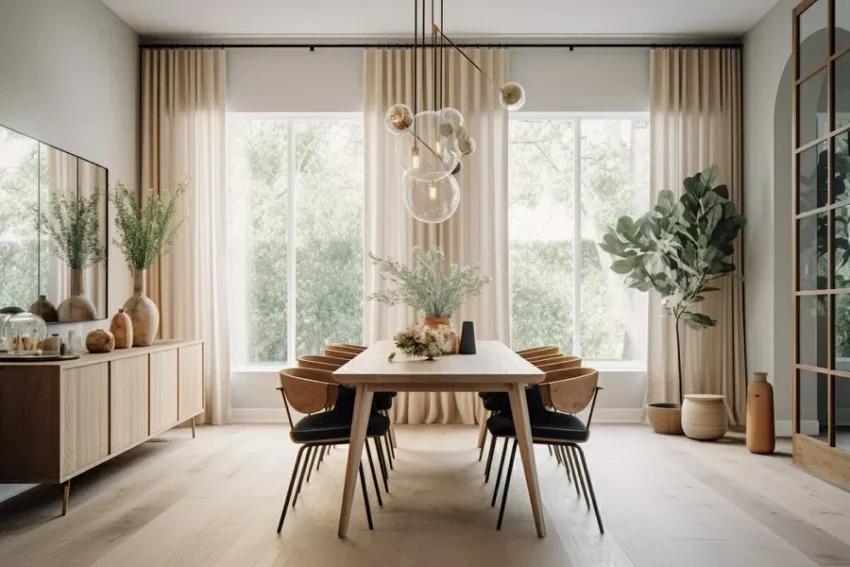
Modern families use dining rooms for far more than formal meals. The same space may support breakfast, homework, celebrations, remote work, crafts, and evening conversations. Practical dining room updates should improve flexibility, comfort, storage, and everyday use rather than preserve a room for rare occasions.
Begin by observing how the room functions during a normal week. A table used daily needs different materials from one reserved for holidays. Children may require easy-clean surfaces, while adults working from the table may need better lighting and nearby storage.
Many homes also include open dining areas connected with kitchens and living rooms. These spaces need visual connection without losing their own purpose.
Families researching furniture, lighting, carpentry, or household support may explore regional home service listings while comparing local options. Any permanent changes should suit the property and household needs.
A successful dining room feels ready for ordinary life. It should not require removing a decorative display before anyone can sit down.
Dining Room Updates That Support Everyday Use
The room should work for regular meals before it serves special events. Furniture scale, movement, and storage affect daily comfort more than decoration.
Choose A Table For The Household
Measure the room before selecting table size.
Leave enough space for chairs to pull out and people to move behind them.
Rectangular tables suit many long rooms. Round tables can improve movement in compact spaces and make conversation easier.
Extendable tables support larger gatherings without occupying maximum space every day.
A family of four may choose a table seating six because homework, serving dishes, and guests require extra surface area. That choice can work when circulation remains comfortable.
The less obvious lesson is that a smaller table may encourage more regular use. Oversized furniture can make a room feel formal and difficult to move through.
Mix Seating According To Real Needs
Dining chairs do not need to match perfectly.
A bench may add flexible seating, though users need enough room to enter and leave comfortably.
Upholstered chairs provide softness but may require more cleaning in homes with young children.
Wood or wipeable surfaces can simplify daily care.
Use end chairs to add character while keeping side chairs simpler.
Families comparing furniture assembly, repair, or household support may browse local property and furnishing categories while building a nearby shortlist.
Comfort should be tested. A chair that looks attractive but feels poor after twenty minutes will reduce how often the room is used.
Improve Lighting For Meals And Other Tasks
Dining rooms need lighting that supports food, conversation, homework, and evening use.
Position The Main Fixture Carefully
Center the fixture over the table rather than the room when those positions differ.
Its size should relate to the table and ceiling height.
Keep enough clearance above the table for sightlines and movement.
A dimming feature may help the room move between homework and dinner when suitable.
Strong task light can support schoolwork, while softer light creates a calmer meal.
The surprising point is that the table can define the room more strongly than the walls. Lighting should follow the furniture arrangement.
Add Secondary Light Sources
One ceiling fixture may leave corners dark.
Use wall lighting, lamps, cabinet lighting, or nearby room light to create depth.
A sideboard lamp can provide softer evening light.
Keep pathways and storage areas visible.
A regional lighting and home service directory may help families identify local categories connected with electrical work, furniture, or interior improvements.
Lighting should support the room after sunset without creating glare across the table.
Add Storage Without Turning The Room Into A Closet
Dining rooms often need space for linens, serving pieces, school supplies, and occasional work materials.
Use A Sideboard For Closed Storage
A sideboard can hold dishes, table linens, serving pieces, and supplies used during meals.
Choose depth according to walkway space.
Drawers work well for smaller items, while cabinets support larger pieces.
Keep the top partly open for serving or selected decoration.
A family using the table for homework may dedicate one drawer to pencils, paper, and chargers. The supplies remain close but disappear before dinner.
The counterintuitive lesson is that extra storage should not invite unrelated household clutter. Keep the room connected with its main functions.
Create A Temporary Work And Homework System
Use portable containers for school or office supplies.
Each person may have one small bin or folder.
Return materials after the task ends so the table becomes available for meals.
A nearby cabinet can hold devices and chargers.
Families exploring organization, carpentry, or household support may review regional furniture and property listings while comparing nearby providers.
Avoid permanent work setups when the room needs to change functions several times each day.
Build Character Through Durable Details
Color, art, rugs, curtains, and wall features can add personality when they also suit maintenance and household use.
Choose Finishes That Handle Family Life
Use washable wall finishes where chairs and hands may create marks.
A rug can define the dining zone and reduce sound, but it should suit cleaning habits.
Check that chairs remain fully supported when pulled out.
Curtains can soften the room and control daylight.
Avoid delicate surfaces where regular spills or movement occur.
A family room should not create anxiety during ordinary meals.
Add Personal Details With Restraint
Display art, photographs, collected objects, or family pieces that connect with the household.
One large artwork may create more impact than many small decorations.
A mirror can reflect light when placed carefully.
Use the table centerpiece according to daily habits. Low, simple arrangements are easier to live with.
The less obvious improvement may be removing the centerpiece entirely during busy weeks. An open table invites use.
Character should make the room feel lived in rather than staged.
Conclusion
A dining room becomes more valuable when it supports the way a family lives throughout the week. Flexible furniture, comfortable seating, useful lighting, controlled storage, and durable materials allow one room to serve several roles.
Thoughtful dining room updates begin with regular meals and daily movement. Choose table size according to the room, add storage for relevant supplies, and keep temporary work easy to clear.
Use lighting that changes with the activity and finishes that tolerate family life. Leave enough open space for serving, homework, and conversation.
The best dining room does not wait for a special event. It earns its place by becoming one of the most useful rooms in the home.
Frequently Asked Questions
What dining table shape works best in a small room?
Round or compact rectangular tables often improve movement. The best choice depends on room shape, chair clearance, and household size.
How much space should remain around a dining table?
Leave enough room for chairs to pull out and people to pass comfortably. Measure the complete arrangement before buying.
Are dining benches practical for families?
They can provide flexible seating and save visual space. Access, comfort, and ease of cleaning should guide the choice.
Should a dining room rug extend beyond the chairs?
The rug should remain beneath chair legs when seats are pulled out. Measure the full furniture movement before selecting size.
How can a dining room double as a homework area?
Use portable supply bins, nearby closed storage, suitable lighting, and a routine for clearing the table before meals.
Is a sideboard useful in a modern dining room?
Yes. It can store dishes, linens, serving items, and selected household supplies while providing a useful surface.
What lighting works over a dining table?
Choose a fixture sized and positioned for the table. Adjustable brightness may support meals, homework, and gatherings.
How can a dining room feel less formal?
Use comfortable seating, practical materials, personal art, flexible lighting, and a table arrangement suited to daily use.